

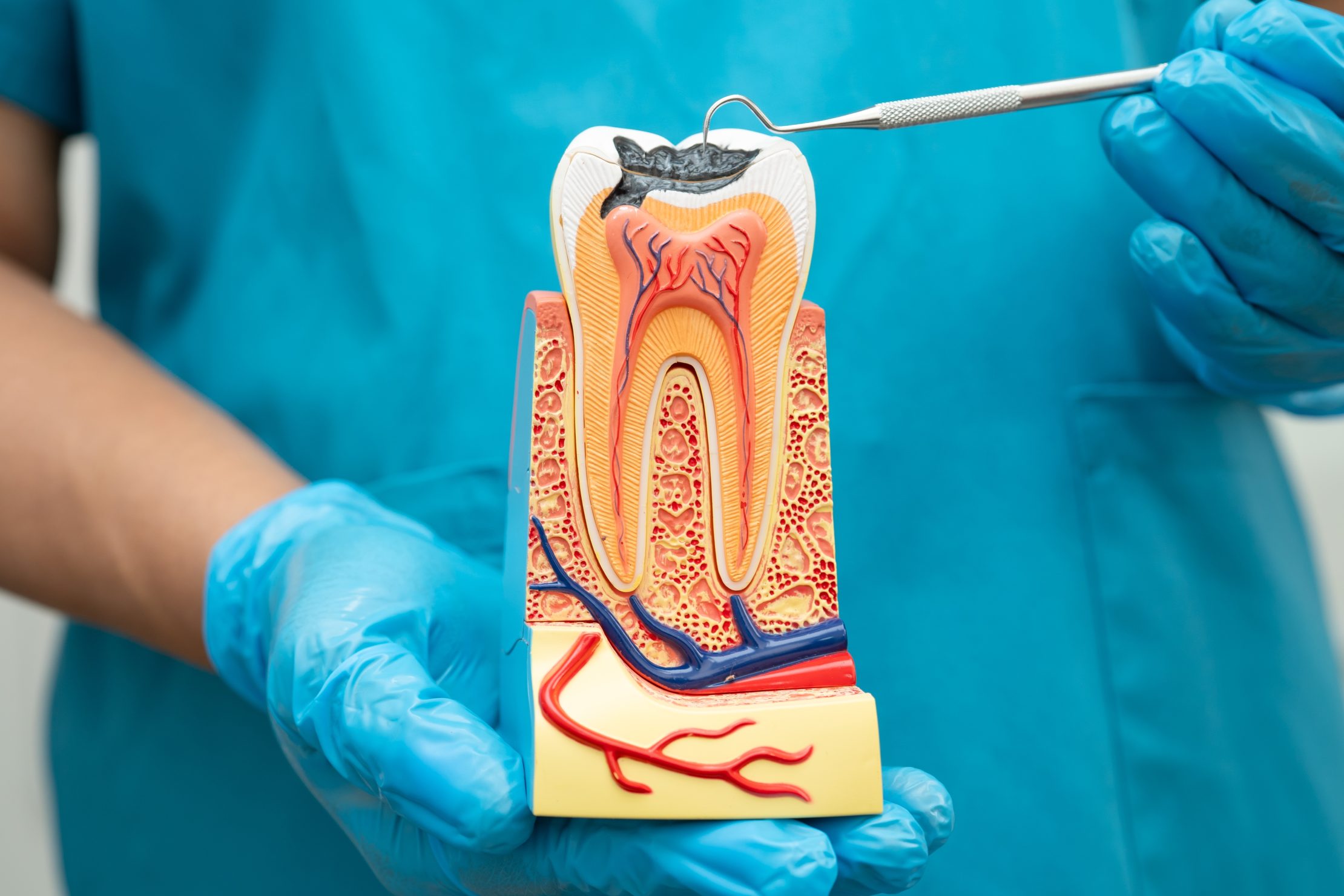
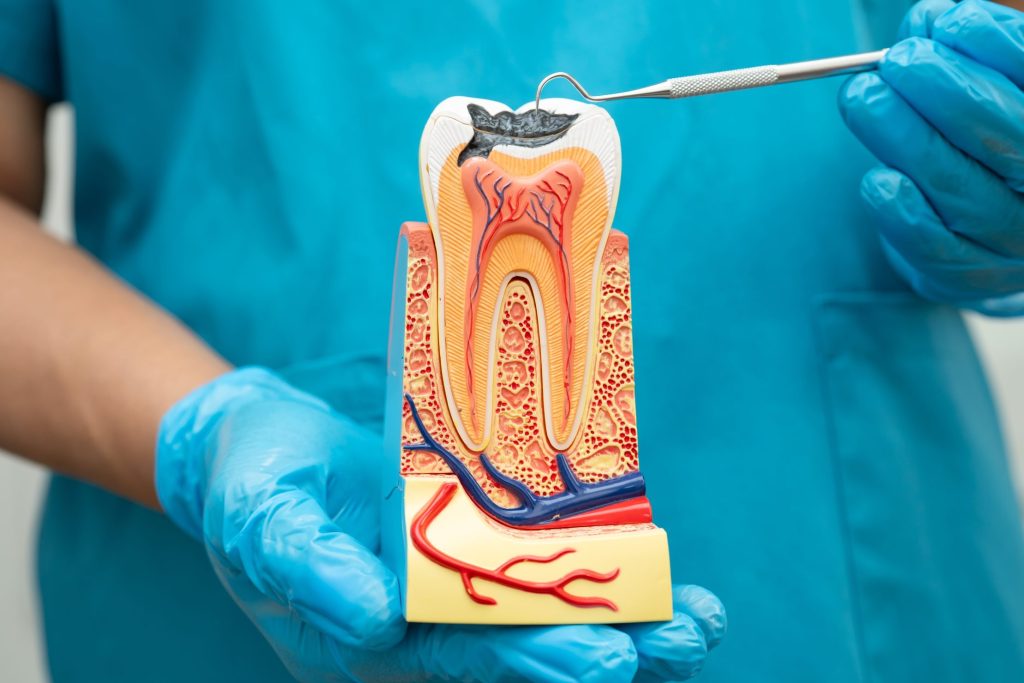
If you’ve been told you might need a root canal treatment, it’s normal to feel nervous. Many people worry about pain during the procedure or want to understand what’s happening inside their tooth. The good news is that modern root canal therapy is designed to relieve discomfort, remove infection, and help you keep your natural tooth.
At The Dental Hub in Bexley, Ohio, and Lancaster, Ohio, we focus on comfort, clear explanations, and a calm, judgment-free experience. You’ll always know what to expect and why, especially when dealing with a damaged tooth or possible infection.
What is root canal treatment?
Root canal treatment is an endodontic procedure that removes infected or inflamed tissue from the pulp of the tooth, cleans the root canals, and seals them to prevent reinfection. The goal is to relieve pain, protect the tooth, and restore full function so you can chew and smile comfortably.
Why do you need root canal therapy?
A root canal is recommended when the inner soft tissue of a tooth becomes irritated, injured, or infected. This inner area, called the pulp, contains blood vessels, nerves, and connective tissue. When bacteria reach this space, you may experience anything from a dull ache to severe pain.
Common causes include deep cavities, decay that reaches the pulp, or cracks and trauma that expose the inside of the tooth. Repeated dental treatments on the same tooth can also stress the area. Without treatment, an infected tooth can lead to swelling, a dental abscess, or even tooth loss.
Warning signs you shouldn’t ignore
Some symptoms are obvious, while others may seem minor until they worsen. If you notice any of the following, it’s a good idea to call a dentist sooner rather than later:
- Persistent tooth pain or throbbing
- Sensitivity to cold or heat that lingers
- Pain when biting or chewing
- Swelling near the gums or tenderness around a tooth
- A pimple-like bump on the gum, which may indicate drainage from an abscess
- A tooth that looks darker than surrounding teeth
If you have swelling, fever, or rapidly worsening discomfort, it could point to a more urgent infection. The Dental Hub also offers emergency dentistry, so you can get relief without waiting.
What happens during a root canal procedure?
Not knowing the steps can make the process feel intimidating. Root canal therapy follows a straightforward process, with your comfort as a priority. Here’s what typically happens:
- Exam and imaging
Your dentist examines the tooth and takes imaging to confirm whether the pulp is infected or inflamed and to check for signs of an abscess. - Numbing the area
Local anesthesia is used to numb the tooth and surrounding area, ensuring you stay comfortable throughout the procedure. - Isolating the tooth
A dental dam is placed to keep the area clean and dry, preventing saliva and bacteria from entering the tooth during treatment. - Removing the infected pulp
A small opening is made in the crown of the tooth to access the pulp chamber. The infected pulp is removed, and the canals are cleaned and shaped to eliminate bacteria and infection. - Sealing the tooth
After cleaning, the tooth is sealed. In many cases, a temporary filling is placed to protect the tooth until a permanent crown is ready. - Restoring the tooth
To protect the treated tooth long-term, your dentist may recommend a permanent filling or a crown. A crown is often preferred for back teeth, as they handle heavy chewing forces and may be weaker after treatment.
Your dentist will explain each step and address any concerns, especially for more complex cases.
Will a root canal hurt?
This is one of the most common questions. With local anesthesia, the goal is to keep you comfortable during the procedure. Many patients are surprised to find the appointment less painful than expected, as the purpose of root canal treatment is to relieve pain and control infection.
After the procedure, it’s normal to feel some tenderness as the area heals. Over-the-counter pain relievers and following your dentist’s instructions can help. If discomfort worsens or you notice swelling, contact your dentist for guidance.
Why a dental crown is often recommended
A root canal removes infection but doesn’t rebuild lost tooth structure. Back teeth, in particular, handle heavy chewing forces and may be more prone to cracking without added support. A dental crown acts as a protective cap, restoring strength and function while reducing the risk of future breakage.
At The Dental Hub, crowns are custom-made to look natural and fit comfortably. Your dentist will explain the timing and what to expect during the crown placement process.
Smooth recovery: what to do after your appointment
Recovery is usually straightforward, and most people return to normal activities quickly. To ensure a smooth recovery:
- Chew on the other side until your permanent filling or crown is in place
- Avoid sticky foods that could dislodge a temporary filling
- Maintain good oral hygiene to support healing
- Follow any instructions about biting pressure or tenderness
- Keep your follow-up appointments to complete the restoration
With proper care, a treated tooth can remain comfortable and functional for many years.
When root canal treatment is the best option
If the inside of a tooth is infected, you generally have two options: save the natural tooth or remove it. Root canal treatment is often the best choice because it preserves your natural bite, prevents tooth loss, and supports overall oral health.
If you’re unsure about your options, you don’t have to decide alone. A clear exam and honest guidance can help you make an informed choice.
Need help with tooth pain in Bexley or Lancaster? We’re here to help
Tooth pain can feel isolating, especially if you’re worried about being judged or anxious about treatment. At The Dental Hub, we provide calm support, clear answers, and personalized care to help you move from uncertainty to relief. Whether you need a root canal, emergency dentistry, or a crown, your care plan will focus on comfort, transparency, and long-term oral health.
If you’re in Bexley, Ohio, or Lancaster, Ohio, and think you may need root canal treatment, schedule a visit. You can ask questions, explore your options, and take the next step when you’re ready.