

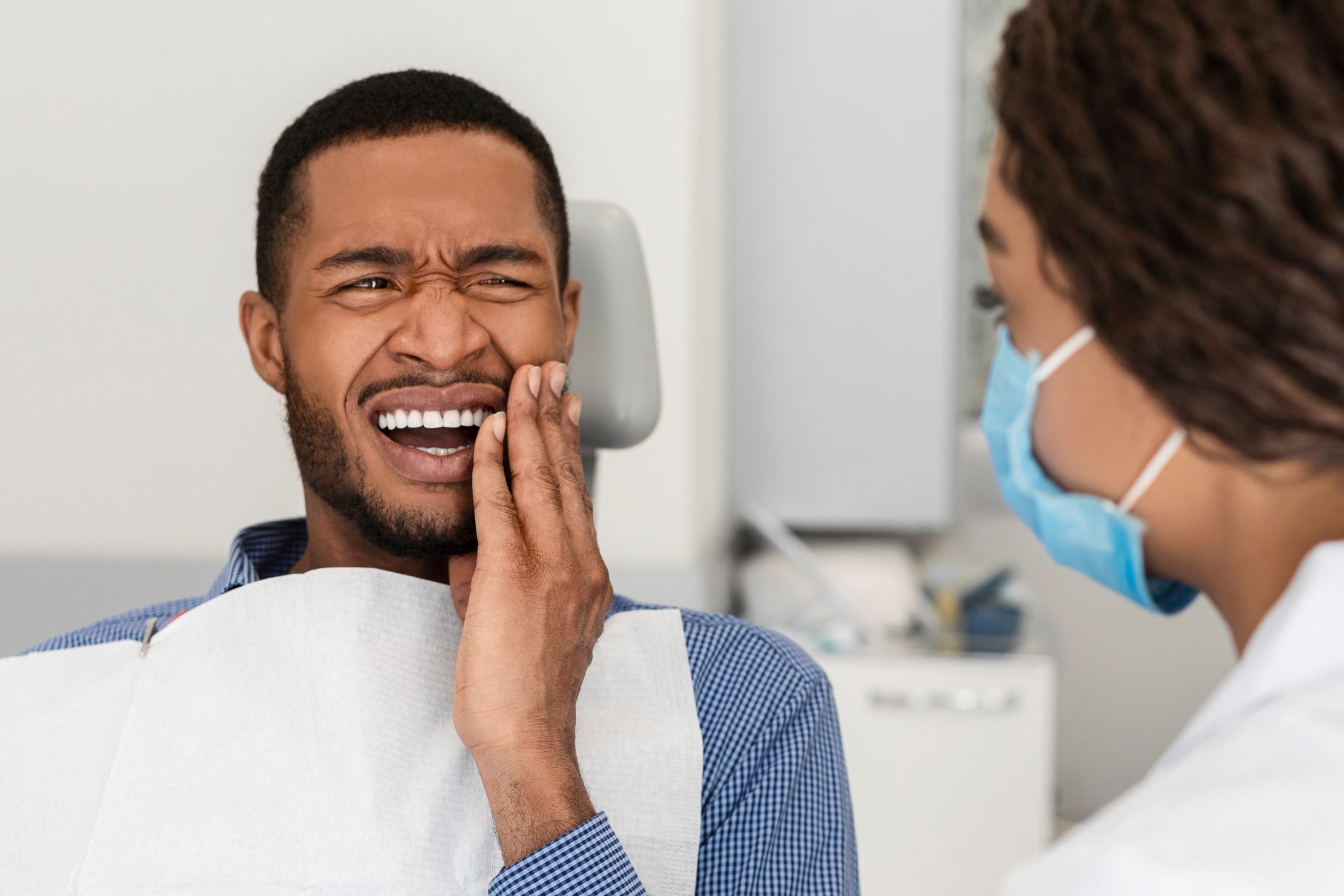
You bite your cheek while eating. You notice a small sore on your tongue. Maybe you feel a tender spot along your gum line or a rough patch on the inside of your cheek. Most of the time, these mouth sores are minor and disappear on their own within a few days. But what happens when that mouth sore won’t heal? When should a persistent sore move from “I’ll keep an eye on it” to “I should get this checked”?
Understanding when a mouth ulcer or sore warrants professional attention can make a significant difference in your oral health. Some mouth sores are harmless and resolve naturally, while others may signal underlying conditions that deserve a closer look. At The Dental Hub in Bexley and Lancaster, Ohio, we help patients navigate these concerns with clarity, compassion, and expert care.
What Causes Mouth Sores?
Mouth sores develop for many reasons, and most are benign. Canker sores, also called aphthous ulcers, are among the most common reasons people experience discomfort in the oral cavity. These small, painful sores typically appear on the soft tissues inside your mouth, including the inside of your cheek, the floor of the mouth, or along the gums. They’re often triggered by minor trauma from dental work, accidental biting, or chronic irritation from braces or dentures.
Cold sores, caused by the herpes simplex virus, usually appear on or around the lips and are highly contagious during outbreaks. Unlike canker sores, cold sores are viral and tend to recur, especially during times of stress or when the immune system is compromised. Hormonal changes, nutritional deficiencies like vitamin B or iron deficiency, and even hormonal shifts during menstruation or pregnancy can also contribute to recurrent aphthous stomatitis or minor mouth ulcers.
Fungal infections such as thrush can create white patches on the tongue, roof of the mouth, or mouth lining. This condition is more common in people with weakened immune systems, those taking certain medications, or individuals who wear dentures. Other health conditions, including oral lichen planus, can cause red patches, white patches, or persistent ulcers that require ongoing management.
Why Two Weeks Matters
The American Dental Association notes that oral lesions or concerning symptoms persisting for about two weeks should be evaluated by a dental professional. This timeframe is significant because most minor sores go through a natural healing process and resolve on their own within seven to ten days. When a sore lingers beyond that window, it may indicate something more than a simple irritation.
Persistent sores can be a sign of oral cancer, especially in patients with known risk factors such as tobacco use, frequent alcohol consumption, or a history of human papillomavirus (HPV). While not every long-lasting sore is cancerous, early evaluation allows for early detection, which leads to better outcomes and more treatment options.
Even if cancer isn’t the concern, a mouth sore that won’t heal could point to an underlying condition such as an autoimmune disorder, a chronic infection, or nutritional deficiencies that need to be addressed. Waiting too long to seek care can allow minor issues to become serious conditions that are harder to treat.
What Are the Red Flags?
Not all persistent mouth sores look or feel the same. Knowing what to watch for can help you decide when it’s time to schedule an oral exam. If you notice any of the following symptoms, don’t wait to reach out:
- A sore, ulcer, or lesion that hasn’t healed after two weeks
- Red or white patches that appear suddenly on your gums, tongue, or surrounding tissue
- A lump, bump, or swelling in your mouth, jaw, or neck
- Unexplained bleeding or tenderness in the oral cavity
- Numbness or persistent pain in any part of your mouth
- Difficulty chewing, swallowing, or speaking
- Sores that recur frequently without a known cause
- Enlarged or tender lymph nodes in your neck
- Unexplained weight loss or fatigue alongside oral symptoms
These symptoms don’t automatically mean something serious is happening, but they do warrant a closer look. Early evaluation provides peace of mind and ensures that if treatment is needed, it can begin as soon as possible.
How Do We Evaluate Persistent Mouth Sores?
When you visit The Dental Hub with concerns about a sore that won’t heal, we start with a thorough oral exam. Dr. Daniel Lebowitz and Dr. Kyle Zumfelde carefully examine the soft tissues of your mouth, including your tongue, gums, the roof of the mouth, the floor of the mouth, and the tonsil area. We’re looking for any abnormalities in color, texture, size, or shape that might indicate a problem.
If we notice something unusual, we may recommend further evaluation through oral pathology services. This might include taking a tissue sample, also known as a biopsy, which allows us to examine the cells under a microscope and determine whether disease is present. The biopsy is performed under local anesthesia and is a straightforward procedure that provides critical information about what’s happening beneath the surface.
In some cases, we may also recommend blood tests to check for nutritional deficiencies, immune system issues, or other health conditions that could be contributing to your symptoms. Our goal is always to give you a clear understanding of what’s going on and what the right next step looks like for your specific situation.
When Should You Call for an Appointment?
If you’ve had a mouth sore for two weeks or longer, it’s time to schedule a visit. You don’t need to wait for pain to worsen or for additional symptoms to develop. In fact, the earlier you come in, the easier it is to identify the issue and address it effectively.
You should also reach out if you’re experiencing recurrent mouth sores without an obvious trigger, or if you have risk factors for oral cancer such as a history of tobacco use, heavy alcohol consumption, or a compromised immune system. Even if you’re not sure whether your symptoms warrant concern, our team is here to listen, evaluate, and provide guidance.
At The Dental Hub, we approach every concern with care and without judgment. Whether this is your first time dealing with persistent sores or you’ve been managing symptoms for a while, we’ll take the time to understand your experience and explain your options clearly.
What Happens After Your Evaluation?
Once we’ve completed your exam and any necessary testing, we’ll walk you through the results in plain language. If the sore is related to a minor issue like chronic irritation from dental work or a nutritional deficiency, we can often address it with simple adjustments, dietary recommendations, or topical treatments.
For conditions like oral lichen planus or fungal infections, we may prescribe medication or refer you to an oral medicine specialist for ongoing care. If we detect early signs of oral cancer or other serious oral conditions, we’ll connect you with trusted specialists who can provide advanced treatment and support.
No matter what we find, you’ll always know what to expect and why. We believe in transparency, education, and giving you the information you need to make confident decisions about your health.
Simple Steps You Can Take at Home
While you’re waiting for your appointment, there are a few gentle steps you can take to support the healing process and reduce discomfort. Rinsing your mouth with warm salt water—about half a teaspoon of salt in a glass of warm water—can help soothe irritation and keep the area clean. Avoid spicy, acidic, or rough-textured foods that might aggravate the sore.
It’s also helpful to pay attention to any patterns. Do the sores appear after eating certain foods? Do they coincide with stress or hormonal shifts? Keeping track of these details can provide valuable clues during your evaluation.
Why Early Detection Matters
Whether it’s a sign of mouth cancer, a symptom of an underlying health condition, or simply a stubborn canker sore, getting an early evaluation makes a real difference. Early detection allows for less invasive treatment, faster recovery, and better long-term outcomes. It also gives you clarity and peace of mind, which can be just as important as the treatment itself.
At The Dental Hub, we’re committed to helping you stay informed, supported, and one step ahead of any concerns. Our approach combines state-of-the-art technology with compassionate, patient-first care that puts your comfort and well-being at the center of everything we do.
We’re Here to Help You Feel Confident
If you’ve been living with a persistent mouth sore, you don’t have to wait any longer to get answers. Our team in Bexley and Lancaster is here to provide the thorough, judgment-free care you deserve. We’ll listen to your concerns, perform a complete evaluation, and guide you through every step of the process with clarity and compassion.
Call The Dental Hub today to schedule your oral exam. We’re ready to help you take the right next step toward better oral health and lasting peace of mind.