

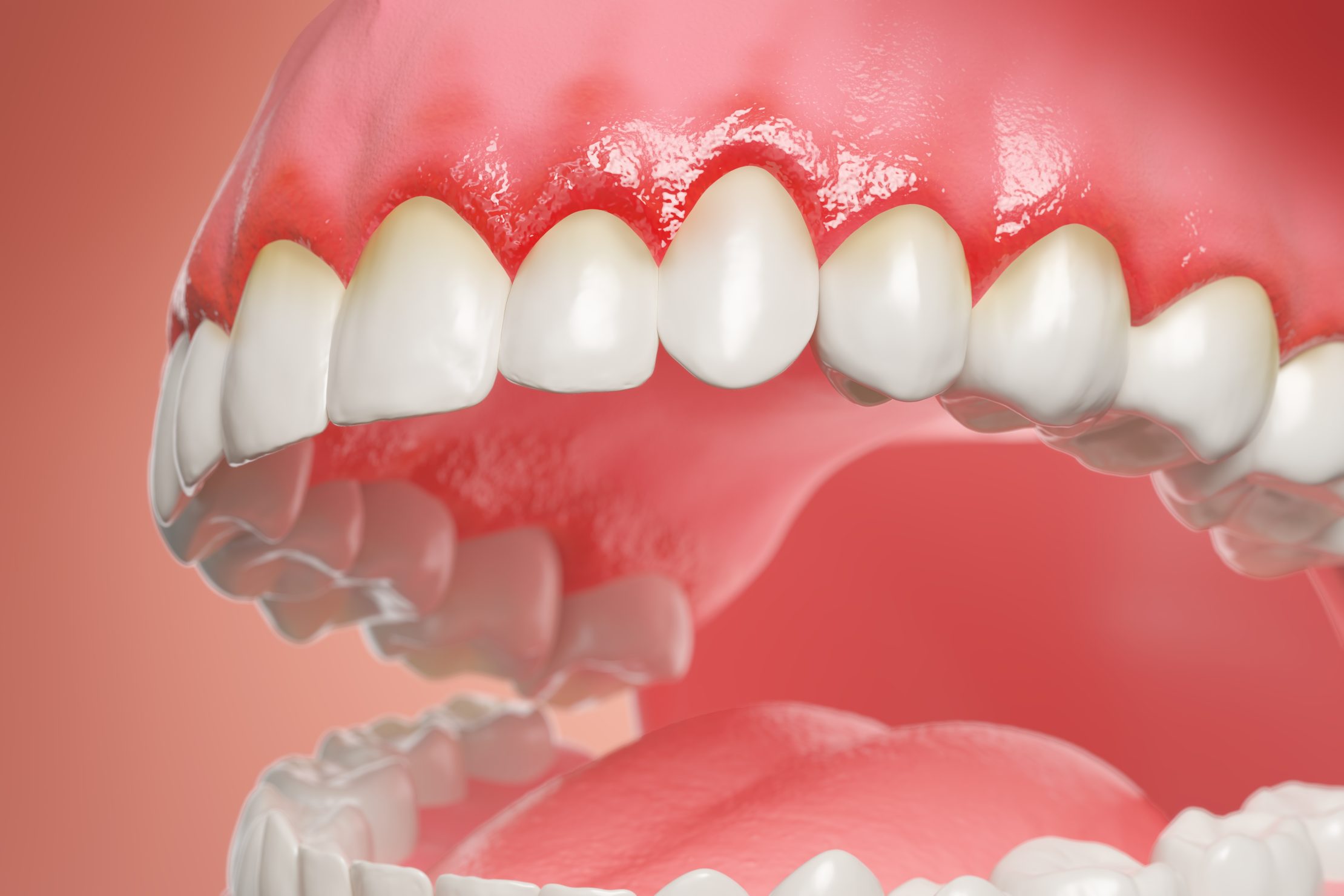
Healthy gums work daily to hold your teeth in place, protect the tooth structures, and keep harmful bacteria from reaching deeper tissues. When gums are irritated or infected, you may notice tenderness, swelling, or bleeding, or miss it entirely until more serious changes appear.
That’s why gum care is a core part of preventive dentistry at The Dental Hub. If you’ve noticed persistent bad breath, bleeding when brushing, or changes along your gum line, you deserve clear answers in a calm, judgment-free setting. Our team in Bexley, Ohio, and Lancaster, Ohio, takes time to listen, explain what we see, and guide you through the next right step for your oral health.
What is periodontal therapy, and what does it treat?
Periodontal therapy is a set of services that treat periodontal disease, also called gum disease. Gum disease begins when plaque (a sticky film) gathers along the gum line and triggers inflammation. Over time, this inflammation can develop into a bacterial infection that affects gum tissues and the bone supporting your teeth.
Treatment focuses on disease control and healing. Depending on the stage of gum disease, periodontal treatment may include a deep cleaning procedure called scaling and root planing, antibiotic therapy, and ongoing periodontal maintenance. The goal is healthier gums, stable support for your natural teeth, and protection against further damage like bone loss and gum recession.
Common signs of gum disease to pay attention to
Early signs of gum disease can be easy to dismiss, especially if you feel fine otherwise. Paying attention to these signs helps you get timely treatment before gum disease progresses deeper around the tooth root. If you notice any of the concerns below, schedule a dental hygiene exam for a closer look:
- Gum bleeding when brushing or flossing
- Red, puffy, or tender gums
- Persistent bad breath or a lingering bad taste
- Gum recession or exposed tooth roots
- Sensitivity near the gum line
- Spaces forming between teeth or changes in your bite
- Signs of deep gum pockets, like recurring swelling or tenderness
These symptoms don’t necessarily mean advanced gum disease, but they do signal that your gums need attention.
Why gum health matters for your overall health
Your gums are living tissue that responds to inflammation, and your mouth connects to the rest of your body. When gum disease advances, bacteria and inflammation can affect systemic health, especially for patients with conditions like diabetes or heart disease. Studies continue to explore links between periodontal health and cardiovascular concerns, particularly when chronic inflammation persists.
The best approach is steady prevention: good oral hygiene at home, consistent dental visits, and early intervention when something changes. If you have risk factors such as smoking, diabetes, or immune challenges, your dental professionals may recommend closer monitoring to support disease control and comfort.
What to expect at The Dental Hub: evaluation, patient education, and clarity
Periodontal care starts with understanding what’s happening and why. During your visit, we closely examine your gum line and check for periodontal pockets around affected teeth. Deeper pocket measurements can indicate areas where harmful bacteria collect and irritate the supporting structures of the teeth.
You’ll also receive patient education tailored to your situation. We explain what we see, what it means for your oral hygiene routine, and which options fit your needs. If you’re due for an oral cancer screening during your preventive visit, we can complete that as well, since comprehensive care supports both oral health and peace of mind.
Deep cleaning (scaling and root planing): the most common non-surgical periodontal treatment
When gum disease progresses beyond the surface, routine cleaning often can’t reach the buildup below the gum line. In these cases, scaling and root planing is commonly recommended. This deep cleaning targets plaque and tartar in periodontal pockets and smooths the tooth root surface so gum tissues can heal and reattach more easily.
At The Dental Hub, scaling and root planing is performed with local anesthesia to keep you comfortable. Many patients feel relieved once inflammation settles, especially if they’ve experienced tenderness or bleeding during brushing. You’ll always know what to expect and why, including how this procedure supports periodontal health and reduces the risk of tooth loss.
When do you need periodontal therapy?
You may benefit from periodontal therapy when your gums show ongoing inflammation, pocketing, or evidence that gum disease treatment is needed to prevent further damage. Some patients come in due to symptoms like gum bleeding or persistent bad breath. Others discover treatment needs during a dental hygiene exam when we measure periodontal pockets and see early signs of gum disease.
Periodontal therapy also matters for protecting long-term function. Gum disease is a leading cause of tooth loss, and the risk increases when gum disease advances and triggers bone loss around the roots. Timely treatment helps protect bone tissue, keep your natural teeth longer, and support your quality of life.
Risk factors that can increase gum disease and tooth loss risk
Gum disease is common, and it’s not a character flaw. Many factors influence gum health, including genetics and daily habits. Understanding your risk factors helps you make realistic treatment plans and reduces anxiety about the unknown.
Common risk factors include:
- Tobacco use
- Diabetes and other systemic conditions
- A family history of periodontal disease
- Dry mouth or medications that reduce saliva
- Inconsistent oral hygiene habits or skipped cleanings
- Stress and chronic inflammation
If any of these apply to you, we can tailor your periodontal treatment and home care recommendations to fit your lifestyle.
What if gum disease is advanced: surgical treatment and coordinated care
Some cases of advanced gum disease require more than non-surgical care. When periodontal pockets stay deep or bone loss becomes significant, surgical procedures may be considered to reduce pockets, restore gum support, or address areas where tissue has receded. Procedures like gum grafting can help cover exposed tooth roots and improve comfort.
The Dental Hub provides comprehensive periodontal treatments and, when appropriate, referral coordination for advanced surgical care. You’ll have a clear plan, a team helping you understand your options, and support centered on comfort and communication.
Periodontal maintenance: how you keep results stable
After active treatment, periodontal maintenance becomes the foundation for healthier gums. Maintenance visits allow your care team to remove buildup in areas prone to bacteria, monitor gum pockets, and check any areas that previously showed inflammation. If you’ve had periodontitis, these visits can help slow or stop gum disease progression.
At home, good oral hygiene remains essential. Brushing twice a day, cleaning between teeth daily, and following personalized guidance helps limit harmful bacteria near the gum line. If you ever feel discouraged, we can adjust your plan to make it more manageable, since consistency is key to protecting periodontal health.
Protecting teeth and planning ahead: restorative dentistry when needed
Sometimes gum disease affects more than the gums. If infection and bone loss lead to loose or damaged teeth, restorative dentistry may become part of your care. Crowns, bridges, or dentures can restore function, and dental implants may be an option after gum disease is controlled and the supporting bone is evaluated.
In cases where a tooth cannot be saved and needs extraction, ridge preservation can help protect the jawbone shape by supporting bone tissue in the area. This planning keeps future treatment options open and supports long-term dental health.
Ready for clear answers about your gums?
If you’re seeing signs of gum disease or want reassurance about your gum health, a visit can bring clarity. The Dental Hub team in Bexley and Lancaster will take time to listen, evaluate your gums, and explain treatment plans in a calm, understandable way. To schedule a periodontal evaluation or hygiene exam, reach out today. You’ll feel supported, informed, and confident about your next step.